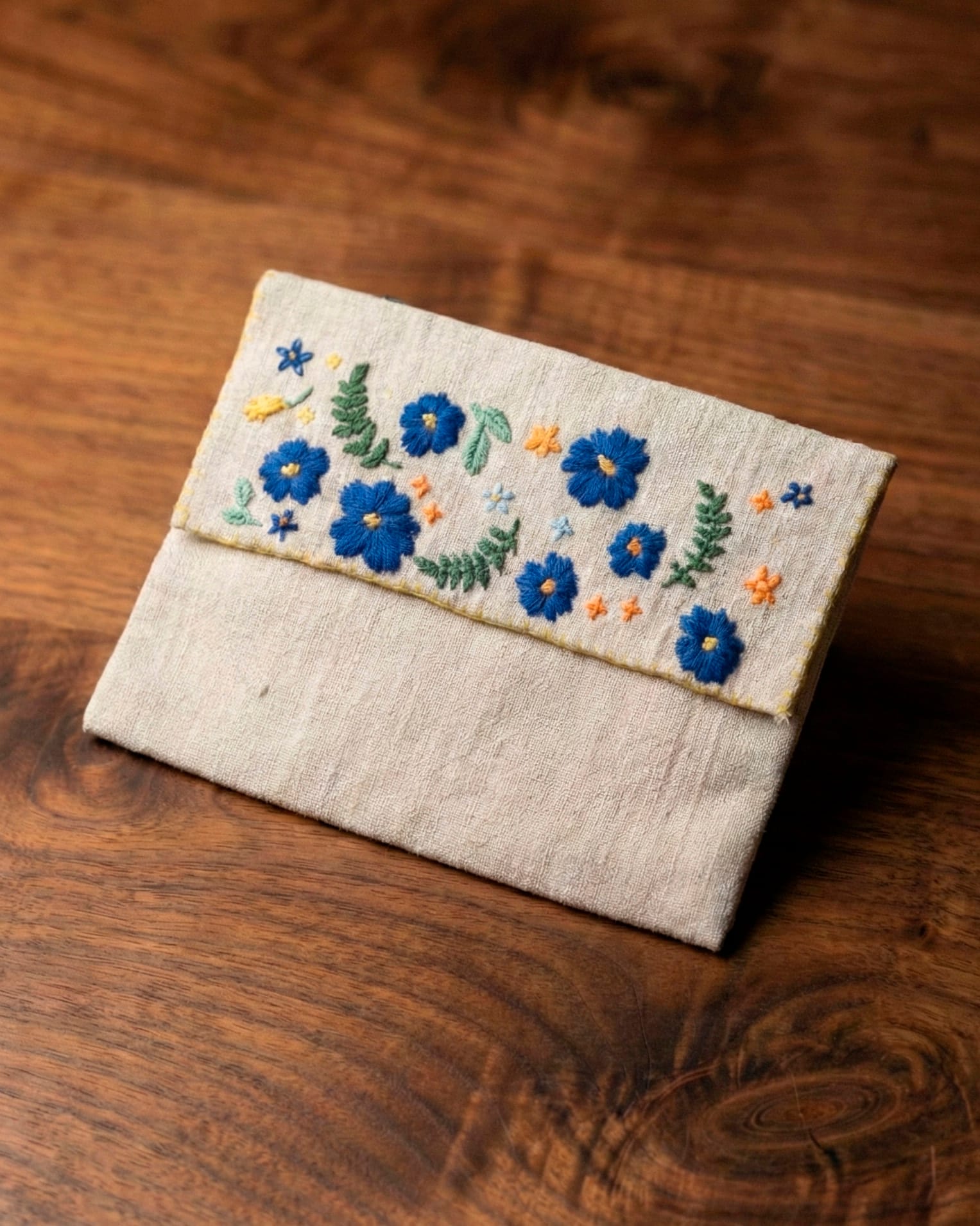
This linen piece represents the traditional savoir-faire preserved by the AmaCastelões association, integrating artisanal practices deeply rooted in the territory and its natural resources. As a renewable plant fibre, the linen is processed through manual methods that prioritize time, durability, and the functional integrity of the artefact.
Small-scale local production facilitates conscious material management and waste reduction, promoting a production model aligned with the principles of the circular economy. Designed for long-term use, the piece is intended to be repaired, reused, and, at the end of its lifecycle, reintegrated into the environment—effectively closing the material loop without generating permanent waste.
By maintaining traditional techniques and adapting them to a contemporary sustainable framework, AmaCastelões contributes to the valorisation of rural textile heritage and the development of more resilient, environmentally responsible communities.
Technical Details
The artefact is produced from natural linen, manually processed through every stage: from cultivation and fibre extraction to spinning, weaving, and final finishing. The process respects the natural temporalities of the fibre and prioritizes simple, functional design solutions. The inherent strength of linen ensures the longevity of the artefact, making it suitable for intensive daily use.
Inspiration
The inspiration for this work stems from rural everyday life, the intimate relationship with the land, and the textile heritage transmitted across generations, primarily by women. The artefact reflects a balance between tradition, functionality, and ecological consciousness.
DETAILS
Linen Wallet details (photos by Cristiane Menezes)
Inspiration
Raw linen from Castelões (photos by Cristiane Menezes)
Manuela Marques and Marquitas processing the linen at a local brook
Linen at various processing stages at the AmaCastelões association
Location
The selection of this artefact, curated by Cristiane Menezes, follows an approach that emphasizes the dialogue between artisanal tradition, sustainability, and the circular economy. It serves as a contribution to the preservation of intangible cultural heritage and the sustainable development of rural areas.